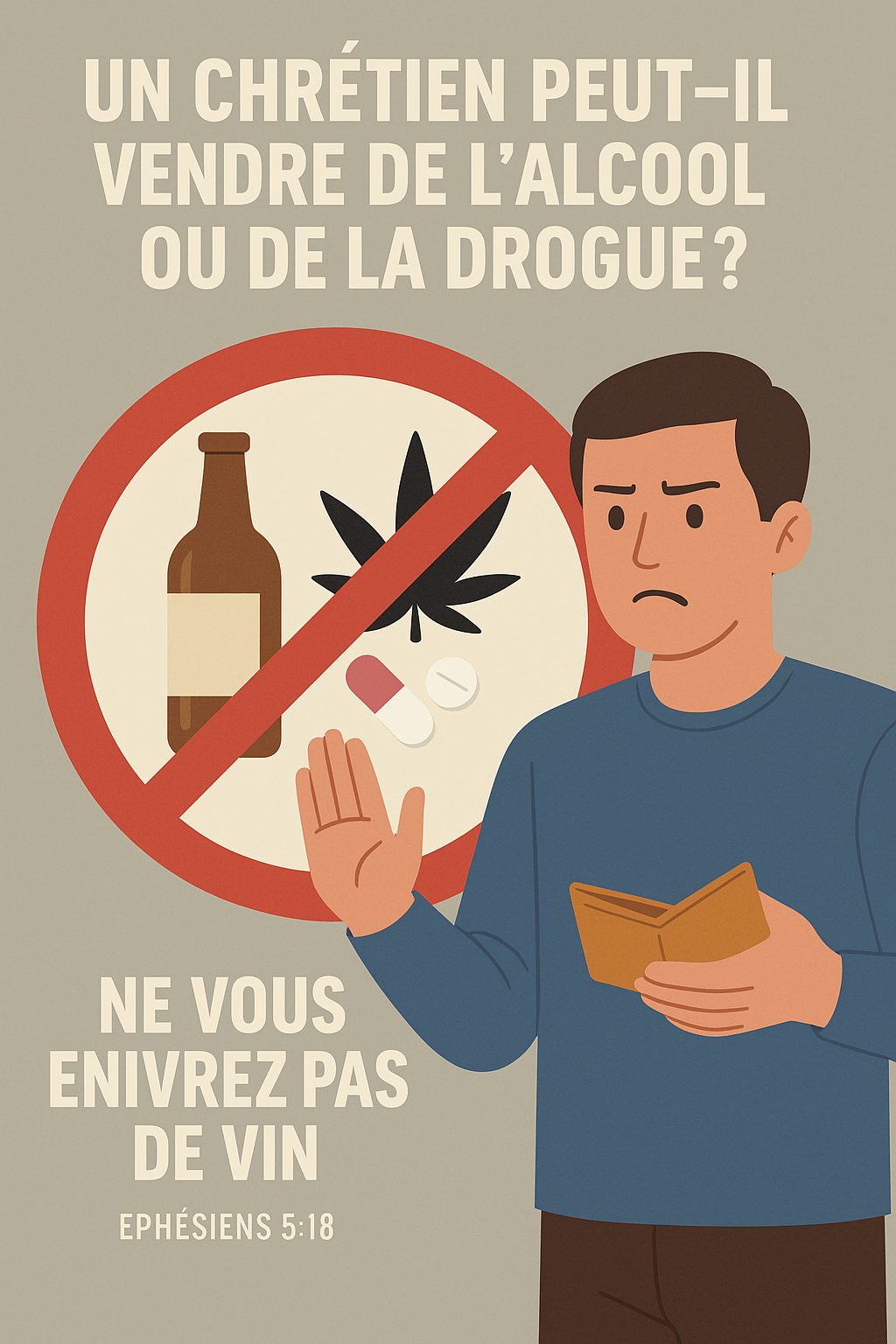
The Bible does not ban every use of wine, but it condemns drunkenness, bondage, and anything that makes others fall. So the core question isn’t “Do I personally consume?” but “What does my practice do to others? Am I making a living by weakening their lives?” Retailing or wholesaling alcohol faces a plain reality: a meaningful slice of sales feeds drunkenness, dependency, domestic harm, accidents, and poverty. Even if some customers drink moderately, part of the revenue inevitably comes from what God forbids. Selling illicit drugs adds two obvious wrongs: direct harm to the neighbor’s body and defiance of lawful authority.
Scripture condemns drunkenness because it erodes self-control, clouds judgment, opens the door to other sins, and wounds the vulnerable. It goes further: it denounces the one who pushes another to drink. The issue is not only what I put in my glass but what I put in my neighbor’s hand. Commerce runs on volume, loyalty, and promotions that encourage consumption. To sell a product whose abusive use is predictable and common—and enslaves many—is to become a partner in that slavery. Love of neighbor refuses to monetize another’s weakening.
The Christian conscience also asks whether my work makes a brother or sister stumble. Many battle alcohol. By my trade I may expose them to temptation, to the message “this is normal and celebratory,” or to targeted invitations. The apostle teaches it is better to surrender an economic right than to damage one believer’s faith. The first question is not “Do I have the right?” but “Does this edify?” A blessed income is not only legal; it is holy, compassionate, and peaceable.
For illegal drugs the answer is unambiguous. Christians submit to governing authorities unless commanded to sin. Trafficking and street sales violate the law, feed addiction, and destroy lives and communities. That commerce contradicts our calling as peacemakers. Even if I do not consume, I become complicit in what chains others. The New Testament repeatedly links drunkenness and mind-altering indulgence with the “works of the flesh” that do not inherit the Kingdom. Seeking profit there puts gain over souls.
We must distinguish medicine from “recreational drugs.” Physician-prescribed treatments aimed at healing are part of God’s common grace. Serving in healthcare protects life. But selling substances for escape, intoxication, or addiction is selling the loss of self-control. The body is a temple; clarity of mind is a fruit of the Spirit; freedom in Christ is freedom from passions. A Christian will therefore seek work that blesses society, protects the weak, and does not earn on others’ downfall. If you are already in this sector, repentance looks like concrete steps: stop promoting intoxication, pursue an honest career transition, seek counsel from elders, and make amends where possible. God gives grace—and a way out.
“Woe to him who makes his neighbors drink— you pour out your wrath and make them drunk…” (Habakkuk 2:15)
“Do not get drunk with wine, for that is debauchery, but be filled with the Spirit.” (Ephesians 5:18)
“It is good not to drink wine or do anything that causes your brother to stumble.” (Romans 14:21)
“Let every person be subject to the governing authorities… whoever resists the authorities resists what God has appointed.” (Romans 13:1–2)