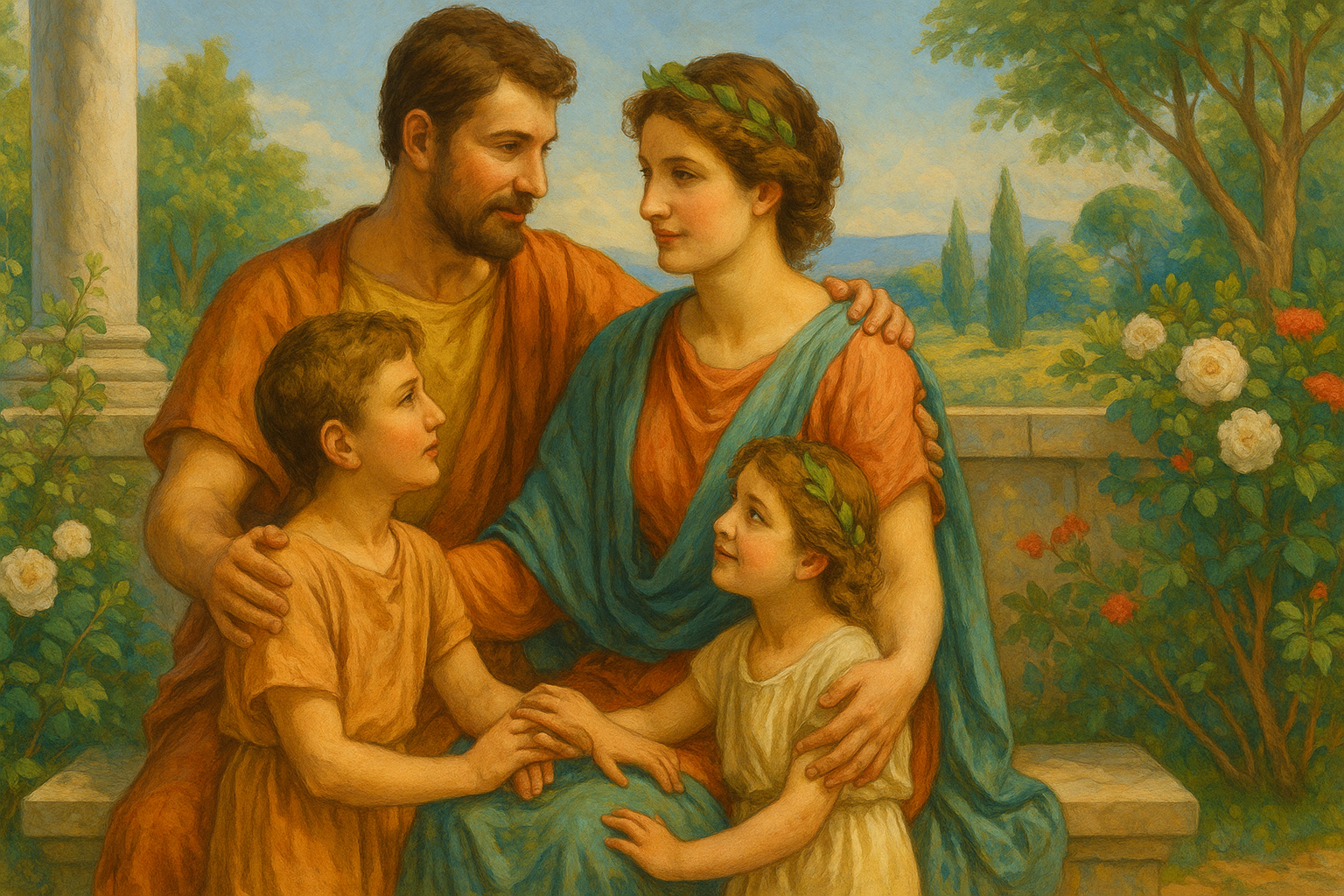
When love becomes a verb at home
Christian love is not measured by grand speeches but by the tone of a 10 p.m. sentence, by listening without interrupting, by how quickly we repair after a harsh word. In a real home there are bills, crying kids, broken appliances, and overflowing days. God is not asking for perfect scenes; He wants His presence to shape ordinary actions: saying thank you, trading places, blessing instead of blaming, keeping unity when tired. Love becomes a verb when we choose to stand on the same side of the table.
What God thinks and what He wants
God sees family as a living covenant. He gives a clear and demanding path—doable in daily life:
“Therefore, as God’s chosen people, holy and dearly loved, clothe yourselves with compassion, kindness, humility, gentleness and patience. Bear with each other and forgive one another if any of you has a grievance against someone. Forgive as the Lord forgave you. And over all these virtues put on love, which binds them all together in perfect unity.” (Colossians 3:12–14, NIV)
“Love is patient, love is kind. It does not envy, it does not boast, it is not proud. It does not dishonor others, it is not self-seeking, it is not easily angered, it keeps no record of wrongs. It always protects, always trusts, always hopes, always perseveres.” (1 Corinthians 13:4–7, NIV)
God wants a family where compassion precedes arguments, kindness disarms anger, and forgiveness keeps bitterness from narrating the home’s story. He is not asking the impossible; He trains us in faithfulness through small things.
Plain truths from everyday life
Fatigue isn’t an excuse; it’s information. When named, expectations adjust: tonight we listen five minutes, pray one sentence, and leave the rest for tomorrow without punishment.
Forgiveness doesn’t erase memory; it changes the narrator. Without forgiveness, the offense tells the family story. With forgiveness, grace recovers the microphone.
Unity is built before crises. Fifteen protected minutes, three nights a week, beat a “perfect” weekend every quarter. This rhythm makes home livable.
Blessing creates reality. “Thank you for…” and “I bless you” change the climate. Not cute—spiritually effective.
Kids learn theology in pajamas. They watch how we speak, repair, and pray. Without lectures, they learn God’s love by observing ours.
A very practical plan for this week
Monday — Listen without interrupting. Two chairs face to face, no screens. One speaks two minutes; the other reflects back one sentence. Switch. Close with “thank you for…” and a short blessing.
Wednesday — Specific gratitude. Each names one concrete thing the other did. Write it and stick it on the fridge. Read Colossians 3:12–14 softly together.
Friday — Fast repair. Name the week’s harsh word; ask forgiveness with no “but”; choose one small repair action (make tea, finish a task, offer 10 minutes of massage).
Sunday — Hope. Read 1 Corinthians 13:4–7; pray 30 seconds with the kids; choose one simple weekly question: “How is your heart?”
Simple prayer
“Lord, make our home a place of peace. Give us compassion, gentleness, and quick forgiveness. Teach us to love today, in small things. Amen.”
Next step tonight
Pick a 15-minute slot, light a candle, pour water, and say, “We’re on the same team.” God wants—and is able—to write the next chapter with your humble, repeated yes.