The Day They Promised
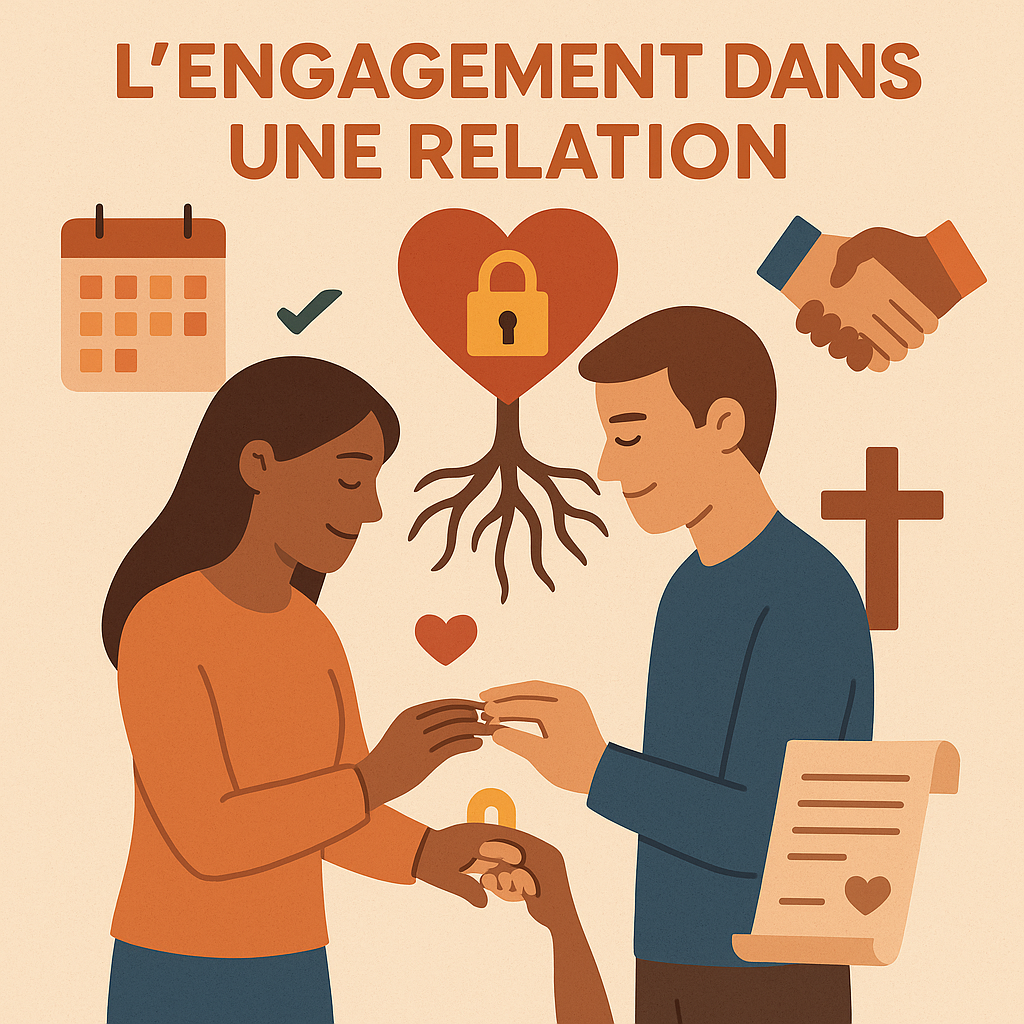
It was a beautiful Saturday in June. Edward wore an impeccable suit. Elizabeth was stunning in her white dress. Before their families, their friends, and above all before GOD, they made promises.
"I take you as my husband. For better or for worse. For richer or for poorer. In sickness and in health. Until death do us part."
Edward said these words. He really spoke them. Tears in his eyes. Voice trembling with emotion. He BELIEVED these words. That day, he truly believed them.
Elizabeth said the same words. She too spoke them sincerely. She imagined an entire life with this man. She saw children, a house, years together. She was CERTAIN these promises would last forever.
The pastor prayed. He reminded them that marriage is a covenant before God. That it's not just a contract between two people. That God is the third strand of the cord. That what God joins together, man must not separate. Edward and Elizabeth nodded. They said "Amen". They signed the register.
Then life began. And slowly, imperceptibly, they forgot these promises.
How We Forget
It's never sudden. Nobody wakes up one morning deciding: "Today, I'm going to break my commitment before God." It's gradual. Insidious. One small compromise at a time.
For Edward, it started at work. That colleague who understood him. Who laughed at his jokes. Who really listened when he talked. Nothing inappropriate at first. Just conversations. Professional lunches. Then messages after work hours. "Just friends," he told himself. But he didn't talk about this friendship to Elizabeth. Because he knew. Deep down, he knew.
For Elizabeth, it started differently. Disappointment. Edward worked too much. He was never there. When he came home, he was distant. She felt alone in her own marriage. So she started confiding in others. First to her friends. Then to that childhood friend she reconnected with on social media. Who listened to her. Who valued her. Who reminded her she was beautiful and interesting.
Neither Edward nor Elizabeth committed physical adultery. Not technically. But they had already broken their commitment. Because commitment isn't just avoiding sex with someone else. Commitment is giving your HEART exclusively to your spouse. And their hearts were elsewhere.
They stopped really talking. Conversations were limited to logistics. "Did you pay the bill?" "The kids have an appointment tomorrow." "I'll be home late tonight." No connection. No intimacy. Two roommates sharing a space.
They stopped praying together. At the beginning of their marriage, they prayed every night. Now, weeks passed without them seeking God together. They still went to church on Sundays. They smiled. They shook hands. Nobody knew their marriage was dying.
They stopped touching. No sex for months. No hugs. Barely quick kisses in the morning. Two strangers in the same bed.
And each justified themselves. "She's the one who started being distant." "He's the one who neglected me first." "I'm too tired." "She doesn't make efforts anymore." "He doesn't understand me." "She's always angry." Excuse after excuse. Justification after justification. But the truth remained the same: they were forgetting their commitments. Deliberately. Gradually. Completely.
What They Had Really Promised
Let's go back to those vows. "For better or for worse." What does that really mean?
It means your commitment does NOT depend on circumstances. Not on how you feel. Not on whether your spouse satisfies you. You promised to stay WHATEVER the circumstances. When it's good, you stay. When it's horrible, you stay. When you're happy, you stay. When you're miserable, you stay.
"For richer or for poorer." Your commitment doesn't depend on financial status. Edward was earning well now. But if he lost his job? If they lost everything? Would Elizabeth stay? And if Elizabeth fell ill and couldn't work anymore? Would Edward honor his commitment?
"In sickness and in health." Until cancer strikes. Until depression sets in. Until an accident changes everything. Will you stay when your spouse is no longer the attractive and energetic person you married? When they need constant care? When they can no longer give you what they gave before?
"Until death do us part." Not until you get bored. Not until someone more interesting comes along. Not until it's difficult. Until DEATH separates you. That's the duration of the commitment.
Edward and Elizabeth had forgotten all this. They treated their marriage like a lease contract that can be broken when the terms no longer suit. Like a subscription you can cancel when you find a better offer. But before God, they had made a COVENANT. And God takes covenants seriously even if we don't.
The Real Consequences
The consequences didn't wait. Because God is not mocked. You cannot break your commitments before Him without consequences.
First, their children suffered. Children ALWAYS know. Even when you think you're hiding it. They sense the tension. They see the lack of affection. They hear the heavy silences. Edward and Elizabeth's two children became anxious. The oldest started having problems at school. The youngest had nightmares. Because their foundation, their security, their parents' marriage, was cracking.
Second, their health deteriorated. Elizabeth developed constant migraines. Edward had digestive problems. The stress of a dying marriage affects the body. You cannot live in permanent conflict without it destroying you physically.
Third, their spiritual life imploded. How do you pray when you're living in disobedience? How do you worship God on Sunday when you're breaking your covenant with Him the rest of the week? They felt increasingly distant from God. Not because God had moved away. But because their sin was creating a wall.
Fourth, their testimony was destroyed. Their non-Christian friends watched them. "These are Christians," they said. "And their marriage is as bad as ours. How does their God make a difference?" Edward and Elizabeth's testimony for Christ was canceled by their broken marriage.
Fifth, they became miserable. Deeply, completely miserable. Because you cannot live in disobedience to God and be happy. It's impossible. You can have moments of pleasure. But not real joy. Not real peace. Just a dull, constant anxiety.
The Truth They Refused To See
The truth Edward and Elizabeth refused to see is that their marriage was THEIR responsibility. Not the other's. THEIR individual responsibility before God.
Edward focused on Elizabeth's flaws. "If she were more affectionate, I wouldn't need to seek attention elsewhere." False. Your obedience to God doesn't depend on your wife's behavior. God commanded you to love your wife as Christ loved the Church. When did Christ love the Church? When she was LOVABLE? No. When she rejected Him. When she betrayed Him. When she didn't deserve it. That's the standard. You love your wife even when she doesn't deserve it. Period.
Elizabeth focused on Edward's failures. "If he were more present, I wouldn't feel so alone." Maybe. But your obedience to God doesn't depend on your husband's presence. God commanded you to respect your husband. Not when he deserves it. Always. Your respect for him is your obedience to God, not a reward for his good behavior.
Each waited for the other to change first. "I'll change when she changes." "I'll make efforts when he makes efforts." That's pure pride. And it guarantees nothing ever changes. Because you don't control your spouse. You only control YOU. And God will hold you accountable for YOUR obedience, not your spouse's.
The brutal truth: even if Elizabeth NEVER changed, Edward was responsible to love her faithfully. Even if Edward NEVER changed, Elizabeth was responsible to respect him. Because their commitment wasn't conditional. It was absolute.
What They Should Have Done
Here's what Edward and Elizabeth should have done at the first signs of trouble.
First, they should have TALKED. Really talked. Not accused. Not attacked. But communicated honestly. "I feel lonely in our marriage." "I feel like we're drifting apart." "I'm afraid of what's happening to us." These conversations are difficult. Uncomfortable. But necessary. You cannot repair what you refuse to acknowledge.
Second, they should have sought help. A pastor. A Christian counselor. A mentor couple. Pride prevented them from asking for help. "We can handle this ourselves." No, clearly, you can't. When your car is broken, you go to the mechanic. When your marriage is broken, you seek someone who can help repair it. It's not weakness. It's wisdom.
Third, they should have repented. Really repented. Not just saying "sorry". But acknowledging before God: "I've broken my commitment. I've sinned against You and against my spouse. Forgive me. Change me." Authentic repentance would have opened the door to restoration.
Fourth, they should have chosen to love anyway. Deliberately choosing to be patient, kind, not irritable. Even when they felt nothing. Even when it was difficult. Because love is a CHOICE, not a feeling. And that daily choice would have slowly rebuilt what was broken.
Fifth, they should have prayed together. Sought God together. Invited God into their marriage instead of excluding Him. Because "a cord of three strands is not quickly broken". Two people alone cannot save their marriage. But two people PLUS God can overcome anything.
What Finally Happened
The story of Edward and Elizabeth took two possible paths. Let me give you both endings.
Ending number one: They continued on the same trajectory. The distance widened. Bitterness deepened. Finally, Edward had a full affair. When Elizabeth discovered it, she filed for divorce. Their children were torn between two homes. Their Christian testimony was destroyed. They joined the statistics, another divorce among Christians. Two broken lives. A destroyed family. Traumatized children. Because they forgot their commitments before God.
Ending number two: They woke up. Not easily. Not quickly. But one Sunday, the pastor preached on Malachi 2:16: "For I hate divorce, says the LORD." And something broke in them. They cried in the car after the service. They admitted they were destroying what God had joined. They sought help. They started doing the difficult work. Honest conversations. Painful confessions. Concrete changes. Edward cut all contact with his colleague. Elizabeth closed that inappropriate emotional friendship. They started praying together every night, even when it was awkward. They invested in their marriage with the same intensity they had put into destroying it.
It wasn't magical. It wasn't easy. There were relapses. Moments of discouragement. Nights of tears. But they CHOSE to stay. To fight for their marriage. To honor their commitment. And slowly, very slowly, something changed. Intimacy returned. Trust was rebuilt. Love grew again. Not the same naive love from the beginning. Something deeper. Stronger. Forged in the fire of difficulty.
Which ending are you living? Which ending will you CHOOSE?
The Question For You
Maybe you're not Edward or Elizabeth. But maybe you're on the same trajectory. Maybe you too are forgetting your commitments.
You no longer pray together. You no longer really talk. You live like roommates, not spouses. You seek emotional intimacy elsewhere. You fantasize about a different life. You justify your neglect by your spouse's flaws.
Stop. Now. Before it's too late.
You made promises before God. Those promises didn't become invalid because it's difficult. They're not canceled because your spouse disappointed you. They don't disappear because you no longer feel romantic love.
God holds you accountable for your commitments. Not for your spouse's. For YOURS. You cannot control what your spouse does. But you can control what YOU do. And you'll have to give account to God for your choices.
So choose today. Will you honor your commitment? Even if it's difficult? Even if your spouse doesn't change immediately? Even if you feel nothing? Will you choose to obey God by loving faithfully, respecting constantly, persevering patiently?
Or will you continue on this path of destruction? Justifying your compromises? Blaming your spouse? Waiting for everything to change magically without you doing the difficult work?
The choice is yours. But the consequences are real. For you. For your spouse. For your children. For your testimony. For your relationship with God.
Edward and Elizabeth made promises before God. Then they forgot them. Don't make the same mistake. Your commitments matter. God takes them seriously. You should too.
Key Bible verses:
- Ecclesiastes 5:4-5 - "When you make a vow to God, do not delay to fulfill it. He has no pleasure in fools; fulfill your vow. It is better not to make a vow than to make one and not fulfill it"
- Malachi 2:16 - "For I hate divorce, says the LORD, the God of Israel"
- Matthew 19:6 - "So they are no longer two, but one flesh. Therefore what God has joined together, let no one separate"
- Numbers 30:2 - "When a man makes a vow to the LORD or takes an oath to obligate himself by a pledge, he must not break his word but must do everything he said"